Key points
- Two tankers were hit and a strike landed near a Bahraini refinery island.
- More than 14 tankers are waiting at Kharg Island as the blockade reaches day 130.
- Oil still fell last week, with Brent down 3.4% and WTI down 5.2%.
- Oil is now a two-way risk heading into PCE data and the Fed’s Dec. 9 decision.
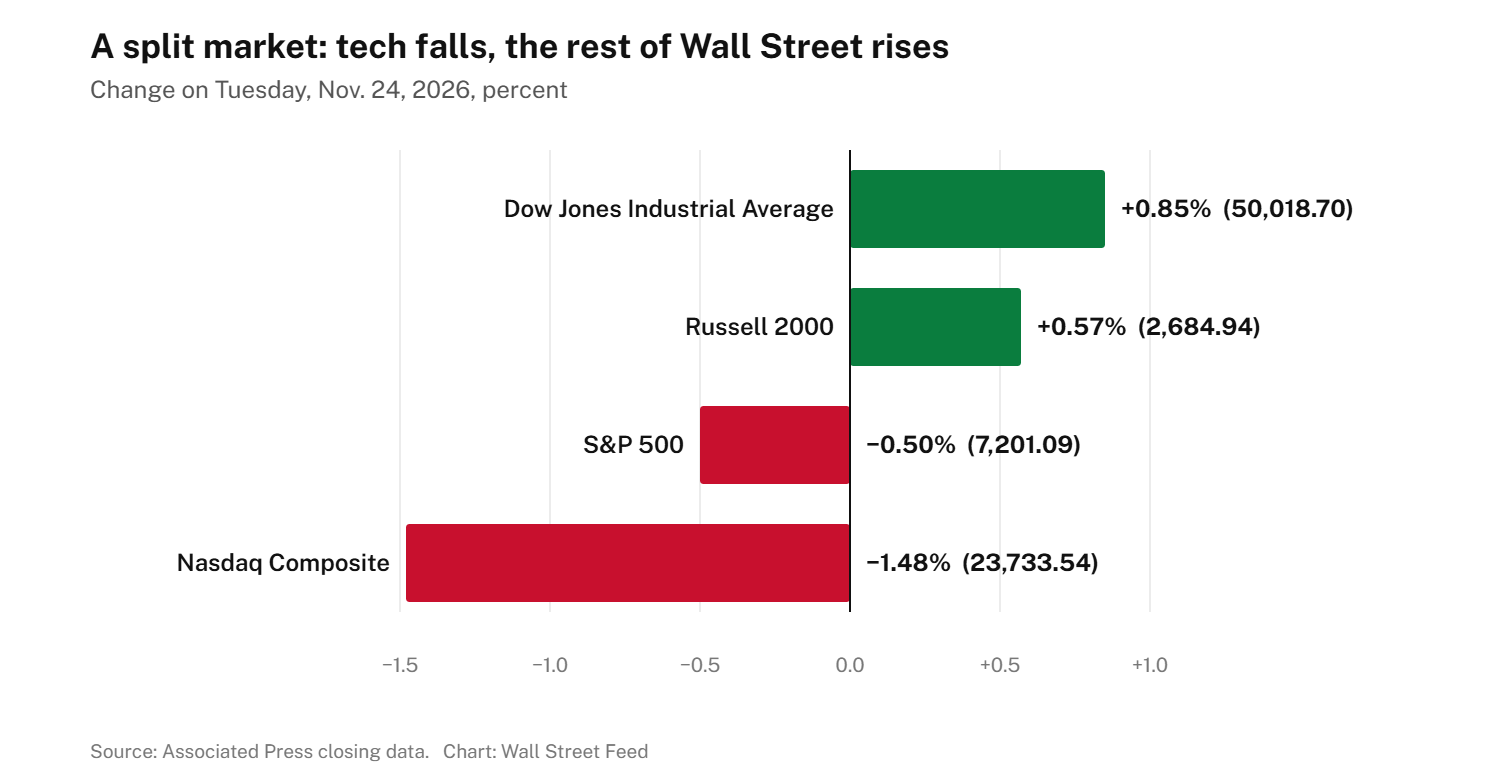
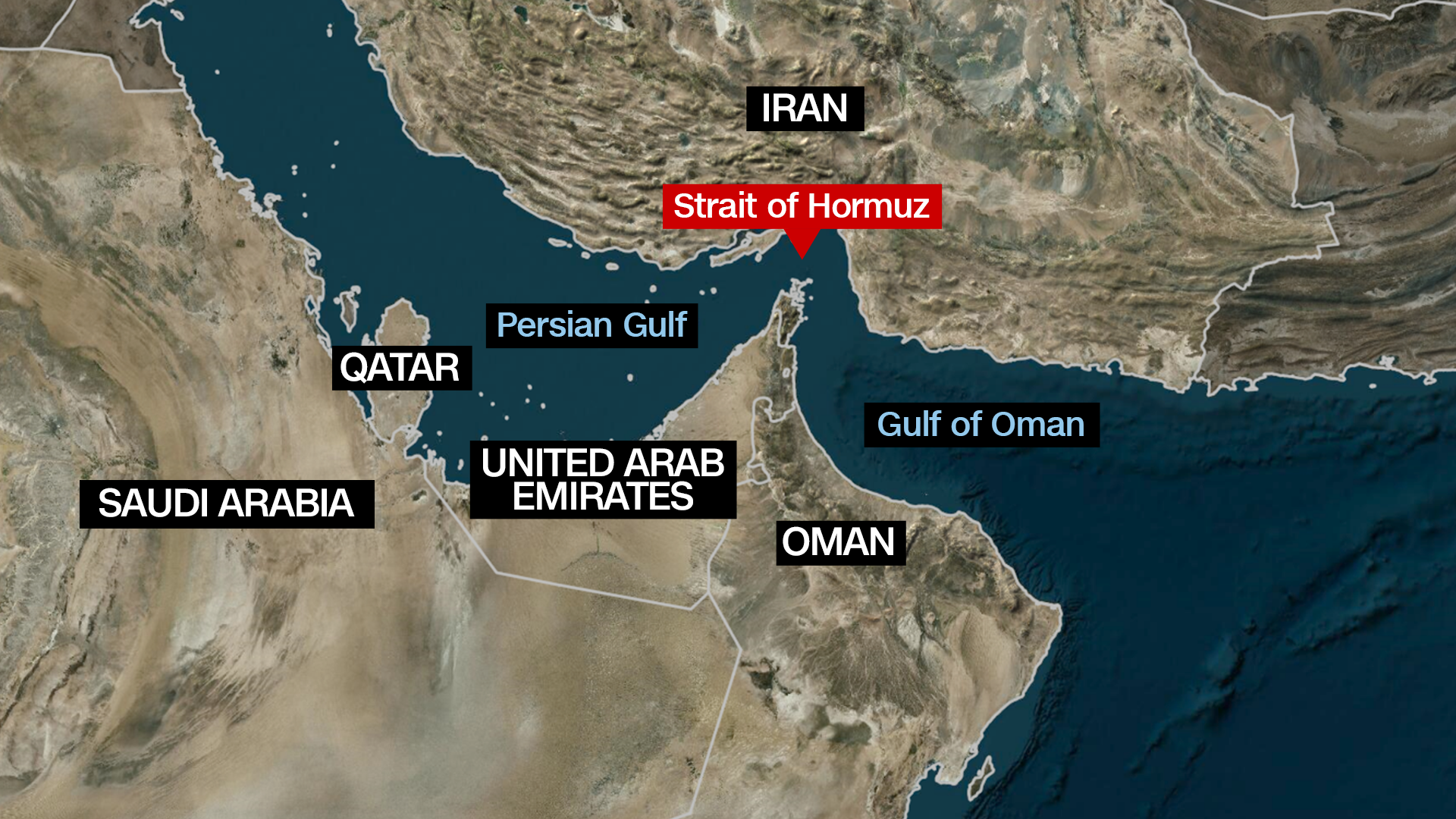
Two tankers were hit in the Strait of Hormuz and Bahrain said an Iranian attack set fire to an industrial site, just as Iran gathers tankers to test the U.S. naval blockade. The timing matters: U.S. crude futures reopen at 6 p.m. ET on Sunday, at the start of a holiday-shortened week in which investors are already on edge after Wall Street’s worst week since April 2025.
What happened
- Tankers struck. The British maritime agency UKMTO said one tanker was hit by an “unknown projectile” while transiting the strait and another was hit in its engine room, with “no reported casualties at this time,” AFP reported. Iran’s army said a ship caught fire after entering a “restricted zone” and hitting a mine; the U.S. military recently said it had cleared mines from the main routes.
- Bahrain hit. Bahrain’s interior ministry said a “civilian industrial facility” was targeted late Saturday, causing a fire but no casualties. Residents told AFP they saw smoke over Sitra Island, home to a refinery run by state oil company Bapco.
- A blockade standoff. The U.S. said Saturday marked 130 days of its naval blockade of Iranian ports. More than 14 oil tankers have gathered around Kharg Island, Iran’s main export terminal, Euronews reported, after Iran’s foreign minister said the blockade “must be broken.”
Why oil fell anyway last week
Despite a war around a waterway that carried about one-fifth of the world’s oil before the conflict, crude fell last week. Brent settled at $92.57 a barrel on Friday, down 3.4% for the week, and West Texas Intermediate settled at $83.98, down 5.2%.
That tells you what the market was pricing. As the AI sell-off pushed the S&P 500 and the Dow into correction, traders were more worried about slower growth and weaker demand than about lost supply. U.S. escorts have kept Gulf exports moving: the U.S. Central Command said last month it had helped Gulf countries export 1.5 billion barrels through the strait since the summer. In other words, the risk premium for a Hormuz disruption had been shrinking, which leaves less of a cushion if shipping is actually interrupted.
How this conflict has moved oil
The market has been through several phases since the U.S. and Israel struck Iran on Feb. 28. Traffic through the strait came close to a standstill in the spring, and Brent averaged $107 a barrel in May, according to the U.S. Energy Information Administration. After a U.S.-Iran memorandum of understanding on June 18, traffic increased, and the EIA said in July it expected global oil output and trade flows to return to prewar levels by year-end. Fighting and the U.S. counter-blockade of Iranian ports have since kept flows constrained but moving, helped by pipelines that bypass the strait and U.S. naval escorts.
| Measure | Reading | Source |
|---|---|---|
| Ships attacked in October | 37, the most in any month of the war | Washington Institute for Near East Policy via Reuters |
| Hormuz commercial traffic, early November | “Substantially reduced” vs. the 2025 baseline | Joint Maritime Information Centre via UKMTO |
| EIA Brent forecast for November–December | About $100 a barrel | EIA Short-Term Energy Outlook, Nov. 10 |
| Brent settlement, Nov. 20 | $92.57 a barrel | ICE settlement |
| War-risk insurance, prewar | About 0.25% of a ship’s hull value | Marsh via The National |
| War-risk insurance, July peak | $3 million to $10 million for a $100 million tanker | Marsh via The National |
Two points stand out. First, Brent is trading below the EIA’s own near-term forecast, which suggests the market has priced in less disruption than the agency expects. Second, the cost of the conflict shows up in shipping and insurance before it shows up in crude prices. Before the war, insuring a $100 million tanker against war risk cost about $250,000 a trip; at the July peak it cost $3 million to $10 million, according to the broker Marsh. Each new attack tends to push those costs up again, which raises the delivered price of Gulf oil even when the benchmark barely moves.
Two ways this can break
Escalation. The clearest near-term risk is a direct encounter between Iranian tankers and U.S. warships if Iran tries to run the blockade from Kharg Island. Strikes on ships in transit raise shipping and insurance costs even when oil keeps flowing, and an attack that halts traffic through the strait would hit supply far harder than anything the market priced last week.
De-escalation. Diplomacy is also active. A Qatari delegation held talks in Tehran, according to Iran’s deputy foreign minister, and Iran’s demands include lifting oil sanctions and ending the U.S. counter-blockade. A settlement that returned Iranian barrels to the market would add supply and push prices lower, the opposite of the escalation case.
Because both outcomes are plausible this week, oil is a two-way risk rather than a one-way bet.
Why the Fed is watching
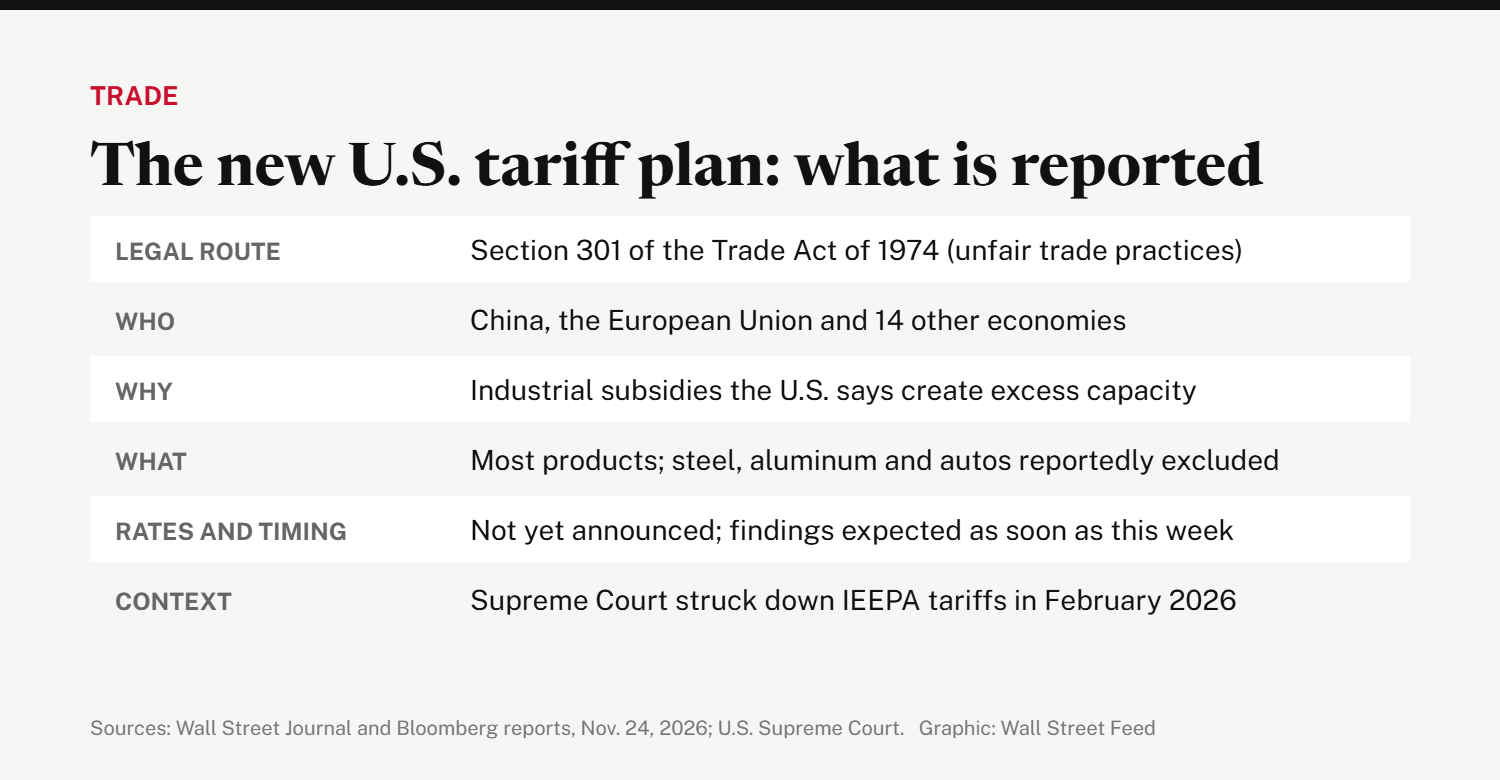
Energy is now at the center of the debate over the Fed’s Dec. 9 decision. Treasury Secretary Scott Bessent urged the Fed on Friday not to make a half-point increase, pointing to an energy supply shock and lower crude delivery prices, while Fed Governor Christopher Waller has argued for a more aggressive move. The Fed’s benchmark rate stands at 3.75% to 4%.
Higher oil would strengthen the hawks’ case by feeding directly into headline inflation; a drop in crude would support Bessent’s argument that the shock is temporary. October’s consumer price index rose 0.4% from September. The next test comes Wednesday, when the Commerce Department releases October data on the personal consumption expenditures price index, the Fed’s preferred inflation gauge.
What to watch
- How Brent and WTI trade when futures reopen at 6 p.m. ET Sunday.
- Any movement of the tankers gathered at Kharg Island, and new UKMTO shipping notices.
- Signs of progress, or collapse, in Qatari-mediated contacts with Tehran.
- October PCE inflation on Wednesday, Nov. 25, and the Fed decision on Dec. 9.
Sources: AFP via RTÉ; Euronews; U.S. Energy Information Administration; Reuters (Washington Institute data); Gulf News (JMIC/UKMTO); The National (Marsh); CNBC; Bloomberg; Federal Reserve; Bureau of Labor Statistics.
 Full author profile →