Key points
- Nvidia’s board unanimously reinstated Jensen Huang as president, CEO and director on Monday, effective immediately, 11 days after he resigned.
- The board said it had input from senior levels of the U.S. government and is confident his return poses no national security risk.
- Nvidia opened 33% higher, its biggest intraday gain since May 2003, after closing Friday at $125.53.
- The board’s independent investigation will continue, and Nvidia says it is cooperating with government inquiries.
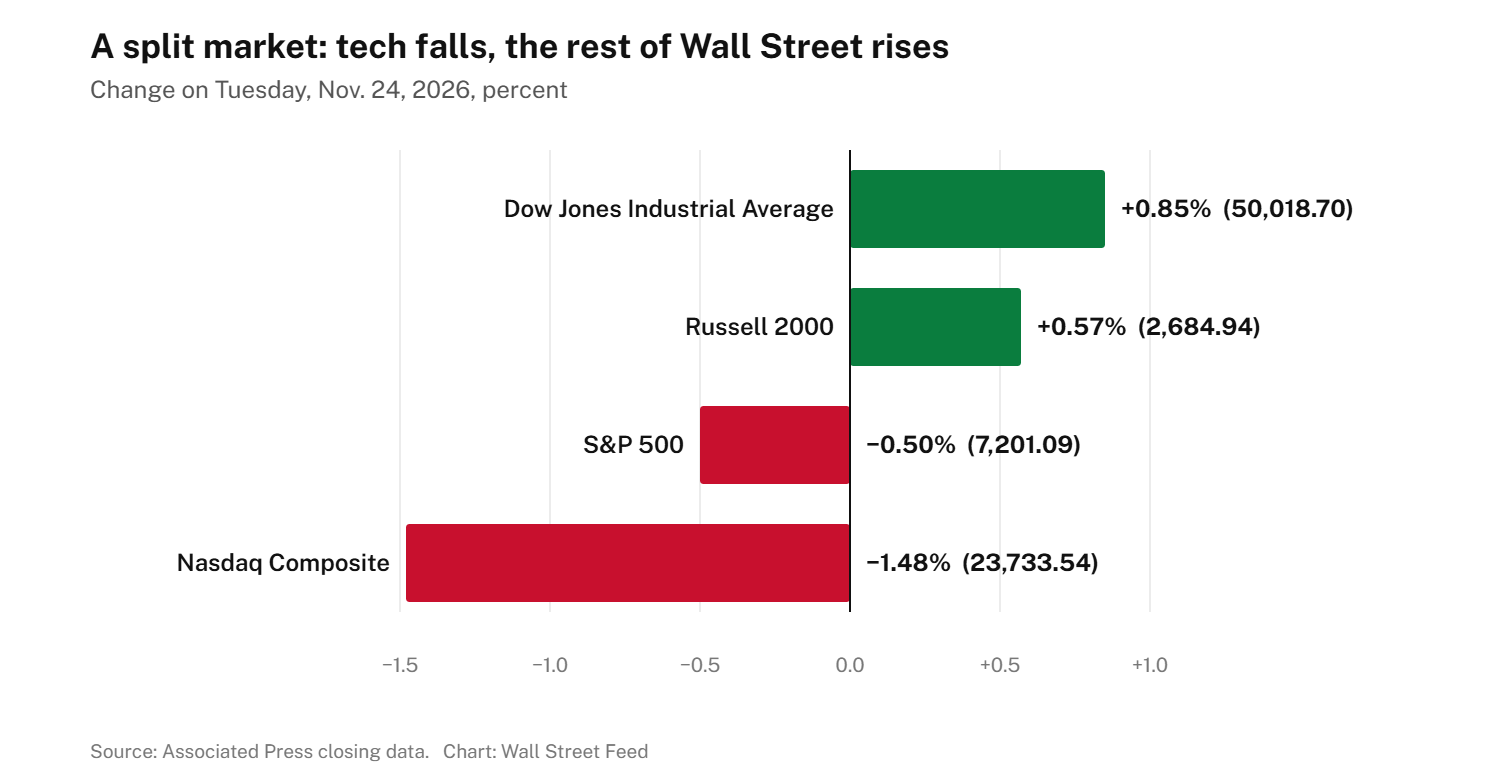
Update, after the close: Nvidia closed up 31.48% at $165.05, its best day since 2003. The S&P 500 rose 4.7% and the Nasdaq 6.5%, their best day since April 2025. Read the closing report.
Update, 2:55 p.m. ET: Nvidia rose as much as 35% during the session, adding close to $1 trillion in market value, according to Yahoo Finance and NBC News. Afternoon market report.
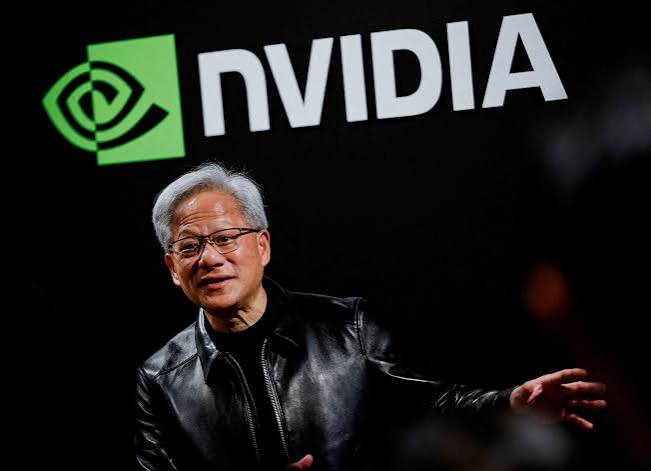
Nvidia said on Monday that its board had voted unanimously to reinstate Jensen Huang as president, chief executive and a member of the board, effective immediately. The reversal comes 11 days after the company’s co-founder resigned amid reports that he had been the target of a foreign intelligence effort, and days after the board’s chair said it did not intend to bring him back.
Investors cheered. Nvidia’s stock opened 33% higher, its biggest intraday gain since May 2003, Bloomberg reported, and early trades reached $167.04, according to ANI. The shares had closed Friday at $125.53 after a 14% drop that capped a weekly fall of about 23%, the stock’s worst week since October 2008, according to CNBC.
The move lifted the whole market. Shortly after the open the Dow Jones Industrial Average was up 1,092.60 points, or 2.27%, at 49,239.91, the S&P 500 was up 4.59% at 7,227.41 and the Nasdaq Composite was up 7.30% at 24,269.75, according to The Globe and Mail. These are early-session levels; Wall Street Feed will report the final closes.
What the board said
In a statement filed with the Securities and Exchange Commission, Nvidia said the board acted after “a series of discussions and meetings” with Huang and was satisfied with his candor and ability to lead the company. It said it had received input from senior levels of the U.S. government and was confident that his reinstatement “poses no national security risk.”
“The Board believes Jensen is the right person to lead NVIDIA, and that his reinstatement is in the best interests of our stockholders, employees, partners, and customers,” said Harvey C. Jones, who remains board chair.
Huang said he was “honored to return to NVIDIA and lead one of the most consequential technology companies in the world at the beginning of a new industrial revolution.” Colette Kress, who served as interim chief executive, continues as chief financial officer.
What has not changed
The reinstatement does not close the investigations. The independent directors’ committee examining the reports, which has hired its own counsel, will continue to its conclusion, and Nvidia said Huang supports it. A separate committee of independent directors oversees trade compliance and national security risks and is working with national security counsel, and the company is searching for a chief compliance officer who will report to the board.
Nvidia also said it will keep cooperating with government investigations and inquiries. A report of an SEC inquiry deepened Friday’s sell-off; Monday’s announcement did not address it.
How we got here
| Date | Event |
|---|---|
| Nov. 8 | Board opens an investigation after reports that Huang was the target of a foreign intelligence effort |
| Nov. 11 | The New York Times reports a separate relationship with a company executive; the board accepts Huang’s resignation |
| Nov. 12 | Resignation announced; Kress named interim CEO; shares fall as much as about 14% |
| Nov. 17 | First results without Huang: $115.8 billion in revenue and a $130 billion forecast |
| Nov. 20 | Shares fall 14% to $125.53 after a report of an SEC inquiry |
| Nov. 23 | Board reinstates Huang; shares open 33% higher |
Analysis: why the market paid up
Monday’s jump puts a number on how much investors tied Nvidia’s value to one person. The company had lost about $410 billion in market value in the days after the resignation, Reuters reported, and fell further last week. Monday’s open recovered nearly all of the losses since the scandal broke, CNBC reported.
The business itself had not weakened. Nvidia’s Nov. 17 report showed data-center revenue up 110% and a $130 billion sales forecast, yet the stock kept falling. The selling was about three things: leadership, regulators and doubts about AI spending. Huang’s return removes the first. The second remains open, and the third is a market-wide question that one board vote cannot answer.
The reversal also raises its own governance questions. In under two weeks the board accepted a resignation, said it did not plan to reverse it and then did so, citing input from the U.S. government. President Donald Trump had written on Truth Social that he hoped the board would rehire Huang, and Nvidia shares rose about 9% before the opening bell on that post, before the announcement. Investors may now price lower key-person risk alongside closer scrutiny of how the board makes decisions.
What to watch
- The close. Whether the opening gain holds. Opening moves can fade, and the final figure is what counts for the week.
- Analysts. Bernstein and Baird downgraded the stock after the resignation, and Morgan Stanley removed it from its top picks. Watch for reversals.
- The investigation. The independent committee’s findings and any news on the reported SEC inquiry.
- The macro test. PCE inflation and GDP data on Wednesday, before the Fed’s Dec. 9 decision.
Sources: Nvidia Form 8-K and press release, Nov. 23, 2026 (SEC); Bloomberg; CNBC; The Globe and Mail; ANI; CBS News; TechCrunch; Associated Press; JFeed; Reuters. Share-price and index figures are early-session levels and will change during the day.
 Full author profile →